Plantar Fasciitis, Shin Splints & Running Injuries: What a Sports Podiatrist Can Do
Running injuries are among the most common reasons active people in the Beenleigh, QLD area seek help from a sports podiatrist, and understanding what treatment involves can make a real difference to recovery time.
Whether you train at Bill Norris Oval, jog through Logan, or play touch football on weekends, your feet and lower limbs absorb enormous force with every step. When something goes wrong, a sports podiatrist can assess the cause, not just the symptom. This guide covers four of the most common running and sport injuries treated in podiatry clinics and explains what assessment and treatment may look like.
Plantar Fasciitis: The Arch Enemy of Runners
Plantar fasciitis is one of the most frequently treated conditions in sports podiatry. It causes sharp heel pain that is often worst first thing in the morning or after sitting for a long period. The plantar fascia is a thick band of tissue running along the bottom of the foot, and when it becomes overloaded, small tears and inflammation can develop.
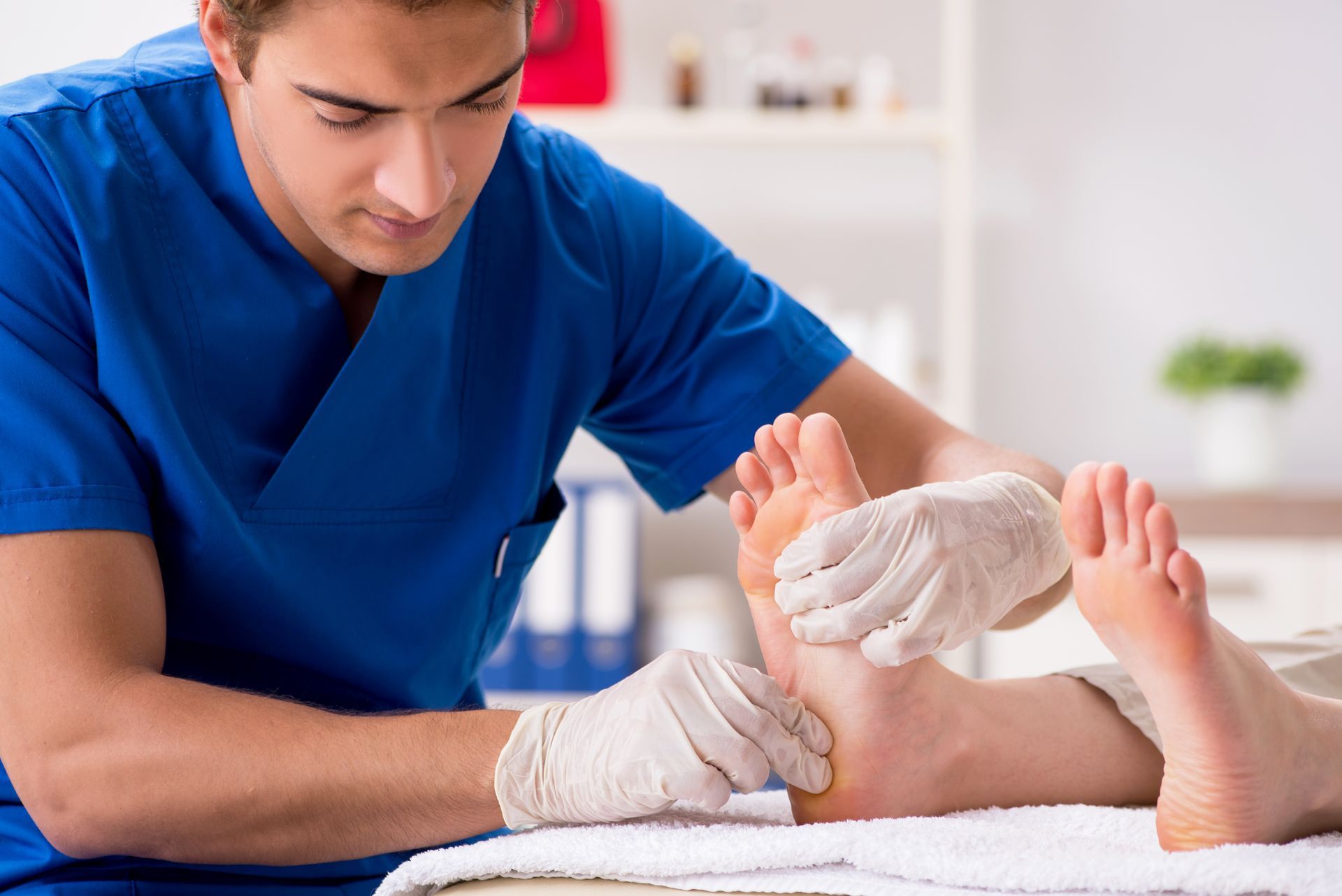
A sports podiatrist will typically assess your foot posture, walking pattern, and footwear to identify contributing factors. Treatment may include custom foot orthotics, targeted stretching programmes, and load management advice. Orthotics can help distribute pressure more evenly across the foot, reducing strain on the fascia during activity.
Return-to-sport timelines vary depending on severity. Mild cases may settle within a few weeks, while persistent cases can take several months. Early intervention generally leads to better outcomes.
Shin Splints: Why They Keep Coming Back
Shin splints are a common problem for runners, footballers, and anyone who has recently increased their training load. The term usually refers to pain along the inner edge of the shinbone, caused by repetitive stress on the muscles and bone tissue in that area.
A sports podiatrist can carry out a gait analysis to examine how your foot strikes the ground and how your legs are aligned during movement. Poor foot mechanics, such as excessive inward rolling of the foot (overpronation), can place extra load on the lower leg. Addressing this through orthotics or footwear changes may significantly reduce recurrence.
It is important not to push through shin splint pain, as continued loading without treatment can lead to stress fractures, which require a much longer recovery.
Achilles Tendinopathy: A Pain That Sneaks Up on You
Achilles tendinopathy affects the large tendon connecting the calf muscles to the heel bone. It is particularly common in runners and field sport athletes who have ramped up their training too quickly.
Symptoms often include stiffness and aching in the back of the heel, which may ease after warming up but returns after activity. A sports podiatrist may assess calf strength, tendon loading, and foot mechanics to develop a treatment plan, which can include heel raises, orthotic support, and a structured progressive loading programme to help the tendon adapt and recover.
Achilles tendinopathy can be slow to resolve, but with a consistent approach, most people can return to full activity over time.
Ankle Sprains: More Than Just "Resting It"
Ankle sprains are extremely common across team sports played throughout the Beenleigh and Logan region. While the immediate advice is often to rest and ice, a sports podiatrist can manage longer-term recovery to reduce the risk of re-injury. Without proper rehabilitation, an initial sprain can leave the ankle joint weaker and more susceptible to rolling again during future activity.
Repeated sprains can lead to chronic instability, where the ligaments around the ankle do not fully recover their function. Assessment may include reviewing how you walk, identifying foot alignment issues, and recommending exercises to rebuild strength and balance around the ankle joint. Taping and bracing can also protect the ankle during return to sport.
What Does a Gait Analysis Involve?
A podiatrist observes how you walk or run, sometimes using video, to identify movement patterns in your feet, ankles, knees, and hips contributing to injury.
Can Custom Orthotics Help With Running Injuries?
Yes. Custom orthotics modify how your foot functions inside your shoe and are often used alongside strength work and load management.
How Long Does Recovery From a Running Injury Take?
It depends on the injury and severity. Shin splints may resolve in weeks, while plantar fasciitis and Achilles tendinopathy can take several months.
Ready to Get Back to the Sport You Love?
If you are dealing with heel pain, lower leg discomfort, or a recurring ankle issue, getting an assessment sooner rather than later can help you avoid longer time off your feet.
Beenleigh Podiatry Centre offers sports injury assessments, gait analysis, and orthotic therapy for active people across the Beenleigh and Logan area. Visit the sporting injuries page or contact the clinic directly. You can also call 07 3807 8599 to speak with the team today.
Find Beenleigh Podiatry Centre on Google to read reviews and get directions.